Have you ever stared at a menu, torn between five different curries, three types of bread, and a tempting array of sweets, wishing you could just have a little bit of everything?
That is exactly where an Indian Thali comes in.
A traditional Indian thali brings several dishes together in one meal, giving you the chance to enjoy different flavors, textures, and combinations on the same plate. The selection varies by region, season, occasion, available ingredients, and dietary preferences, giving each Indian thali its own distinct character.
Whether you're familiar with Indian cuisine or exploring Indian food in Richardson for the first time, there is plenty to discover in a traditional Indian thali. Let's take a closer look at what usually goes into one.
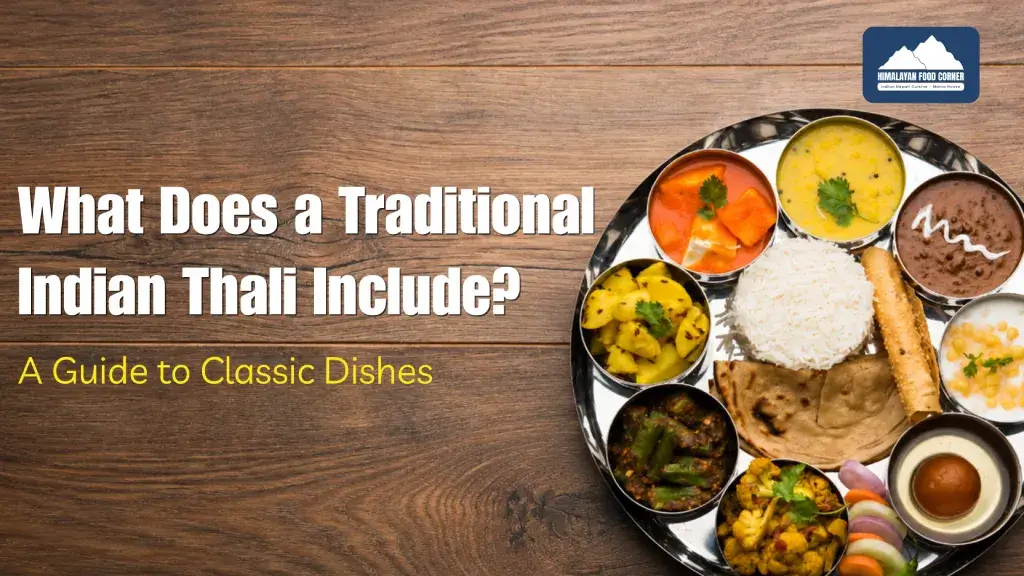
A thali (which means "plate") refers to the large plate or platter traditionally used to serve a complete meal.
The term is also used for the meal itself, which usually contains several smaller portions of different foods. Instead of ordering one main dish, a thali brings several smaller portions together so that different foods can be enjoyed at the same time.
A typical thali is designed to offer variety in one sitting. A serving of rice or bread may be paired with dal, a vegetable preparation, a meat or paneer curry, and one or more accompaniments. Some regional versions also include a sweet dish.
The important thing to understand is that a thali is not one fixed combination of dishes. It is better described as a way of putting together a balanced meal.
Vegetarian thalis may include dal, vegetables, paneer, rice, and bread, while non-vegetarian versions can add chicken, goat, lamb, fish, or other meat-based preparations. The ingredients and number of dishes change depending on local food traditions and personal preferences.
Although the dishes change from one thali to another, most combinations are built around the same idea: a staple, a few flavorful preparations, and smaller additions that add variety to the meal. Each component serves a different purpose, from providing a filling base to adding spice, richness, texture, or contrast.
Rice often acts as the base for dal and curry. A simple rice preparation can be especially useful in a thali because it doesn't compete with the stronger flavors of the other dishes.
For example, Jeera Rice pairs well with dal because the rice has a mild cumin flavor without being heavily spiced. Matar pulav, with green peas and seasoned rice, can add a little more flavor while still working alongside curries.
At Himalayan Corner, our menu includes both Jeera Rice and Matar Pulav, making them practical options when putting together a thali-style meal.
Bread provides another staple and is especially common in many North Indian meals. Roti, naan, paratha, and other flatbreads can be eaten with dal and curries.
They can be used to scoop up thicker gravies and vegetable preparations. The bread does more than fill out the plate. It also provides another way to enjoy thick curries and gravies without relying only on rice.
Dal is one of the most familiar components of an Indian meal. It is made from lentils or other pulses and can range from light and simply seasoned to rich and slow-cooked.
For example, a yellow dal tadka has a lighter lentil base with a tempering of ingredients such as cumin, garlic, and ghee. Dal Makhani is richer and creamier, traditionally made with black lentils and slow cooking.
In a thali, dal works especially well with rice or bread. Its softer texture and milder base can also balance richer or more strongly spiced dishes.
Vegetable dishes add another layer of flavor and can be prepared in many ways. Depending on the regional style, these may be dry vegetable dishes, saucy curries, chickpea preparations, or paneer-based dishes.
These dishes can create variety within a vegetarian thali. Aloo Gobi, for example, combines potatoes and cauliflower in a drier preparation, while Saag Paneer pairs paneer with spinach. Chana Masala uses chickpeas in a tangy onion-tomato masala.
A thali does not need several vegetable dishes. Even one well-chosen sabzi can add a different flavor and texture to the meal.
Paneer is a fresh Indian cheese that is widely used in vegetarian cooking. Because it holds its shape when cooked, it works particularly well in curries and grilled preparations.
Paneer dishes can provide a substantial component in a vegetarian thali alongside dal, vegetables, rice, or bread.
Some common examples include Saag Paneer, Kadai Paneer, Mutter Paneer, and Paneer Tikka Masala.
The preparation can make a noticeable difference to the overall meal. A creamy paneer curry will create a richer plate, while a more heavily spiced preparation can add stronger flavors.
A non-vegetarian thali follows the same basic idea of combining several types of food, but a meat, poultry, or seafood preparation can become one of the main components.
Chicken and goat are common choices in many Indian cuisines, although the specific meat used depends on regional and cultural traditions.
Butter chicken provides a rich, creamy chicken curry, while a dish such as Himalayan chicken curry offers a different style of seasoning and preparation. Goat curry can provide a deeper, heartier option.
One meat-based curry is generally enough to serve as the main non-vegetarian component. The remaining parts of the meal can still include rice, dal, vegetables, and bread.
Small accompaniments can add contrast to the main dishes. They are not always essential, but they can make the meal more varied. Some common examples include:
Not every thali contains all of these. Their inclusion depends on the regional tradition and the meal being served.
Some thalis include a sweet dish, particularly when they are prepared for celebrations, special meals, or larger traditional spreads.
Popular Indian desserts include gulab jamun, kheer, rasmalai, and halwa. They provide a sweet finish after the savory dishes.
However, dessert is not required in every thali. A simple everyday thali may consist only of the main meal components.
A well-planned thali is about balance, not simply quantity. Think about what happens when different components are placed together:
This is why a thali can feel more varied than a meal built around one curry. Every part has a different job.
If you are putting together a thali-style meal from individual dishes, it helps to think about balance rather than simply choosing several favorites.
Choose either rice or bread as the foundation. For example, Jeera Rice works well with dal and curry, while roti provides a simple option for eating thicker preparations.
Choose one lentil preparation to provide a softer, hearty component. Yellow Dal Tadka can work well in a lighter combination, while Dal Makhani can suit a richer meal.
Add a vegetable preparation with a different texture or flavor. Aloo Gobi, Chana Masala, and Saag Paneer are examples of how this component can vary.
This is where you can decide whether you want a vegetarian or non-vegetarian combination. For a vegetarian meal, a paneer curry can become the richer main component. For a non-vegetarian meal, you could choose something such as butter chicken or Himalayan goat curry.
A small side such as papad or chutney can add contrast without making the meal unnecessarily large.
The same approach can be used when exploring the menu at Himalayan Corner in Richardson. Rather than following a fixed combination, diners can choose individual dishes to create a thali-style meal that fits their preferences, whether vegetarian or non-vegetarian.
A traditional Indian thali is more than a plate filled with different foods. It shows how Indian meals bring together different flavors, textures, and cooking traditions. The best part is that there is plenty of room to mix and match dishes based on what you enjoy.
If you’re looking to try a traditional Indian thali in Richardson, Himalayan Corner offers a wide selection of Indian dishes you can combine to create your own thali-style meal. Choose your favorites, try something new, and enjoy a little bit of everything in one sitting.